








Few foods in the world are as universally loved as pizza. Whether it’s a simple Margherita enjoyed in Naples or a fully loaded meat pizza shared during a family gathering, pizza has a way of bringing people together. Part of its charm comes from its incredible flexibility — crispy or soft crust, rich tomato sauce or creamy white sauce, classic toppings or modern creations. There’s truly a version for everyone.
What makes great pizza stand out isn’t just the toppings. It starts with the dough, the sauce, and the balance between texture and flavor. Surprisingly, even the simplest pizzas can taste amazing when the ingredients are fresh and carefully prepared.
The Foundation: Making the Pizza Dough
Traditional pizza dough only requires a few basic ingredients: flour, water, yeast, salt, and olive oil. But the process matters just as much as the ingredients themselves.
First, the yeast is mixed with warm water and left to activate for several minutes. Flour and salt are then added gradually before the dough is kneaded until smooth and elastic. Some pizza chefs allow the dough to rest for several hours — or even overnight — because slow fermentation creates better texture and deeper flavor.
Once ready, the dough is stretched by hand instead of rolled too flat. This helps preserve tiny air pockets that create a lighter crust after baking.
Building the Perfect Pizza
After the dough is prepared, the real creativity begins. Tomato sauce is usually spread evenly across the surface before cheese and toppings are added. Mozzarella remains the most popular cheese because it melts smoothly without overpowering the other ingredients.
The pizza is then baked at high heat, allowing the crust to become crispy on the outside while remaining soft inside. In traditional wood-fired ovens, pizzas cook extremely quickly, often in less than two minutes.
Popular Pizza Flavors and Ingredients
| Pizza Flavor | Main Ingredients | Flavor Style |
|---|---|---|
| Margherita | Tomato sauce, mozzarella, fresh basil | Simple, fresh, classic |
| Pepperoni | Pepperoni slices, mozzarella, tomato sauce | Savory and slightly spicy |
| Hawaiian | Ham, pineapple, mozzarella | Sweet and salty combination |
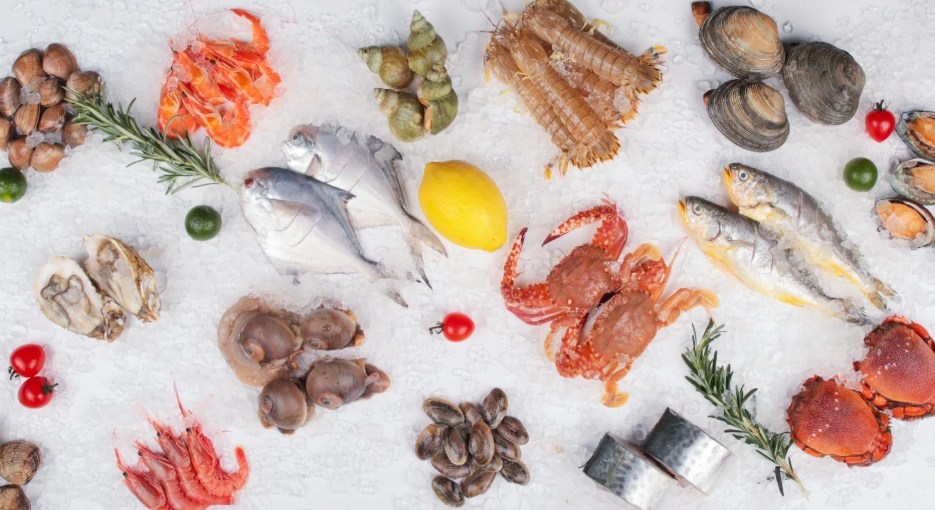
| Seafood Pizza | Shrimp, squid, garlic, olive oil | Light and slightly briny |
| BBQ Chicken | Grilled chicken, BBQ sauce, red onion | Smoky and rich |
| Four Cheese | Mozzarella, parmesan, gorgonzola, cheddar | Creamy and intense |
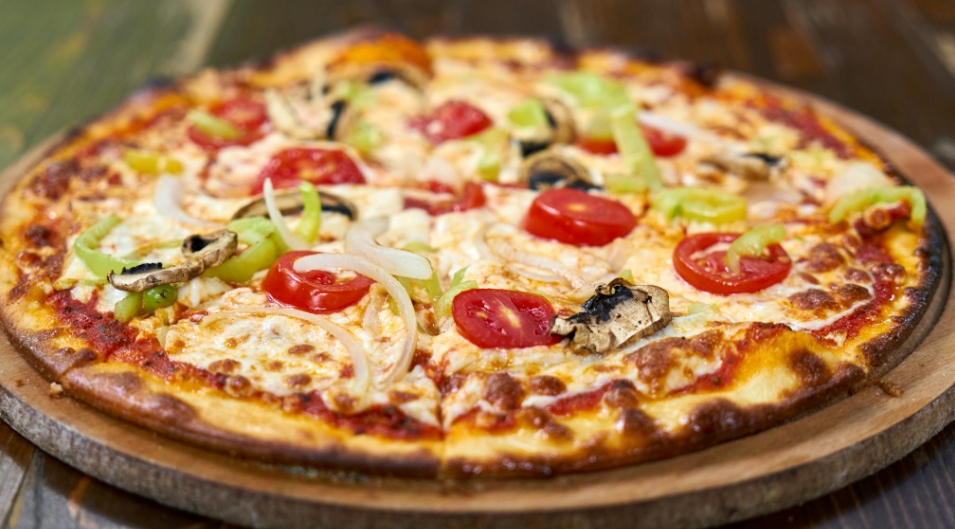
| Vegetarian | Mushrooms, olives, peppers, onions | Fresh and balanced |
| Meat Lovers | Sausage, bacon, ham, beef | Heavy and hearty |
Why Pizza Continues to Evolve
One reason pizza remains so popular is because every culture eventually creates its own version. In Italy, simplicity is valued. In the United States, thicker crusts and generous toppings became popular. Japan introduced seafood and mayonnaise-based variations, while some modern restaurants experiment with truffle oil, burrata cheese, or even hot honey.
Despite these differences, the heart of pizza stays the same: warm dough, melted cheese, and comforting flavors shared with others.
More Than Just Fast Food
Although pizza is sometimes associated with convenience or takeaway meals, authentic pizza-making is actually a craft that requires patience and technique. A well-made pizza balances crust texture, sauce acidity, cheese richness, and topping combinations in a way that feels satisfying without becoming overwhelming.
That balance is exactly why pizza has survived generations of changing food trends. It can feel casual enough for a quick dinner, yet still elegant enough to appear in high-end restaurants.
In the end, pizza’s greatest strength may simply be its ability to make people feel comfortable. Few dishes are as familiar, customizable, and universally enjoyable — which is probably why the world never seems to get tired of it.