







A few years ago, most people bought smartwatches mainly for convenience. Notifications, fitness tracking, message reminders, music control — that was usually enough to justify wearing one every day. But recently, something has clearly changed. Modern smartwatches are no longer just accessories connected to smartphones. They are slowly turning into personal health monitoring systems that stay attached to the body almost 24 hours a day.
What makes this shift interesting is that many users don’t even realize how much data these devices are collecting anymore.
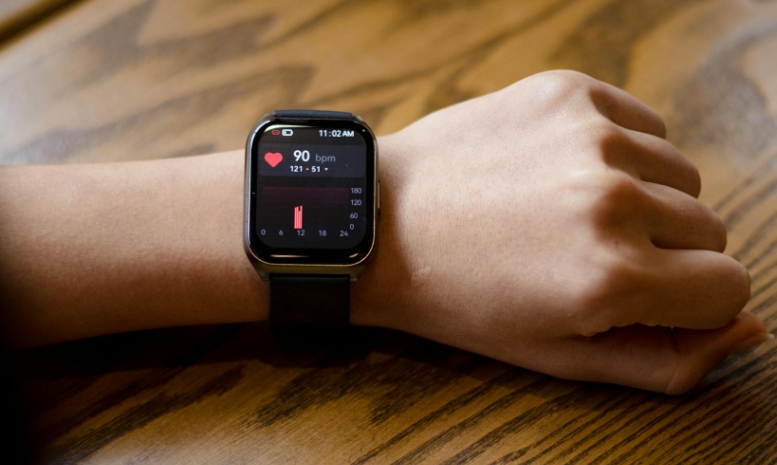
Today’s smartwatches can monitor heart rate, blood oxygen levels, sleep quality, stress levels, skin temperature, and even irregular heartbeat patterns. Some models can detect falls automatically and contact emergency services if the wearer becomes unresponsive. A few years ago, that would have sounded excessive or even unrealistic for a device sitting on someone’s wrist.
Now it feels normal.
The Most Useful Features Are Often the Quietest Ones
Interestingly, the best smartwatch health functions are usually not the flashy ones shown in advertisements. Most users are not checking advanced graphs every hour. Instead, the value comes from subtle long-term monitoring.
For example, many people first discover sleep problems because their watch repeatedly shows poor recovery or abnormal sleep cycles. Others notice unusually high resting heart rates during stressful periods without realizing how exhausted they had become physically.
The technology works best when it quietly notices patterns humans tend to ignore themselves.
That’s probably why health tracking has become the biggest reason many people continue wearing smartwatches daily.
Health Data Is Becoming More Personal Than Fitness Data
Early smartwatches focused heavily on fitness culture:
- counting steps
- tracking calories
- measuring workout intensity
- recording running distance
But modern devices are shifting toward overall wellness instead of pure exercise performance.
Now the conversation includes:
| Health Metric | Why People Care |
|---|---|
| Sleep quality | Daily recovery |
| Heart rate variability | Stress and fatigue |
| Blood oxygen | Breathing and recovery |
| Skin temperature | Illness detection |
| ECG monitoring | Heart irregularities |
What’s fascinating is how these metrics slowly influence behavior. People begin adjusting sleep schedules, reducing caffeine intake, or exercising differently simply because wearable data makes physical conditions more visible.
The watch doesn’t magically make people healthier, but it changes awareness.
Accuracy Is Improving — But It Still Isn’t Perfect
Of course, smartwatch health tracking still has limitations.
Manufacturers often market features very aggressively, sometimes creating unrealistic expectations. A smartwatch is not a replacement for professional medical equipment, and most companies clearly mention this in their disclaimers.
At the same time, the technology has improved much faster than many expected.
Heart rate sensors are now surprisingly reliable during daily activity. Sleep tracking algorithms have become more sophisticated, and ECG features in some devices can already identify potential irregular heart rhythms with decent accuracy.
Still, there are moments where the data becomes inconsistent:
- loose wrist positioning
- intense movement
- low battery modes
- poor sensor contact
can all affect results.
That’s why most doctors still recommend using smartwatch data as supportive information rather than final diagnosis.
The Psychological Side Nobody Talks About
One thing I’ve noticed is that constant health monitoring can sometimes create unnecessary anxiety.
Some users check their statistics obsessively throughout the day, worrying about every small fluctuation in heart rate or sleep score. Ironically, technology designed to improve wellness can occasionally increase stress instead.
There’s probably a balance people still need to learn.
Health data becomes useful when it helps identify long-term patterns, not when every number turns into a reason to panic.
The healthiest smartwatch users are usually the ones who treat the device as a guide rather than a medical authority.
Smartwatches May Become Preventive Health Tools
What makes wearable technology genuinely important is its long-term potential.
Hospitals typically see patients after symptoms appear. Smartwatches, however, continuously collect small amounts of health information before serious problems become obvious.
That could eventually change preventive healthcare completely.
Researchers are already exploring whether wearable devices can help detect:
- early signs of heart disease
- abnormal stress levels
- respiratory problems
- sleep disorders
- chronic fatigue patterns
earlier than traditional methods.
If these systems continue improving, future healthcare may rely far more on continuous monitoring instead of occasional hospital visits.
The Watch Is No Longer Just a Watch
At this point, calling these devices “smartwatches” almost feels outdated.
For many people, the watch itself matters less than the invisible system behind it — sensors, health algorithms, AI analysis, and long-term biological tracking.
Time display has become one of the least important functions.
And honestly, that says a lot about how wearable technology has evolved.